Short Answer
Petrochemical plants require detailed permit review, site walkdowns, strict housekeeping zones, and compliant toeboard installation. Toeboards on elevated platforms must meet 29 CFR 1926.451(h)(4) numeric requirements: 3.5 inch minimum height, 1/4 inch maximum clearance, 50 pound force rating, and secure fastening. Many plants also impose site-specific standards above the federal minimum.
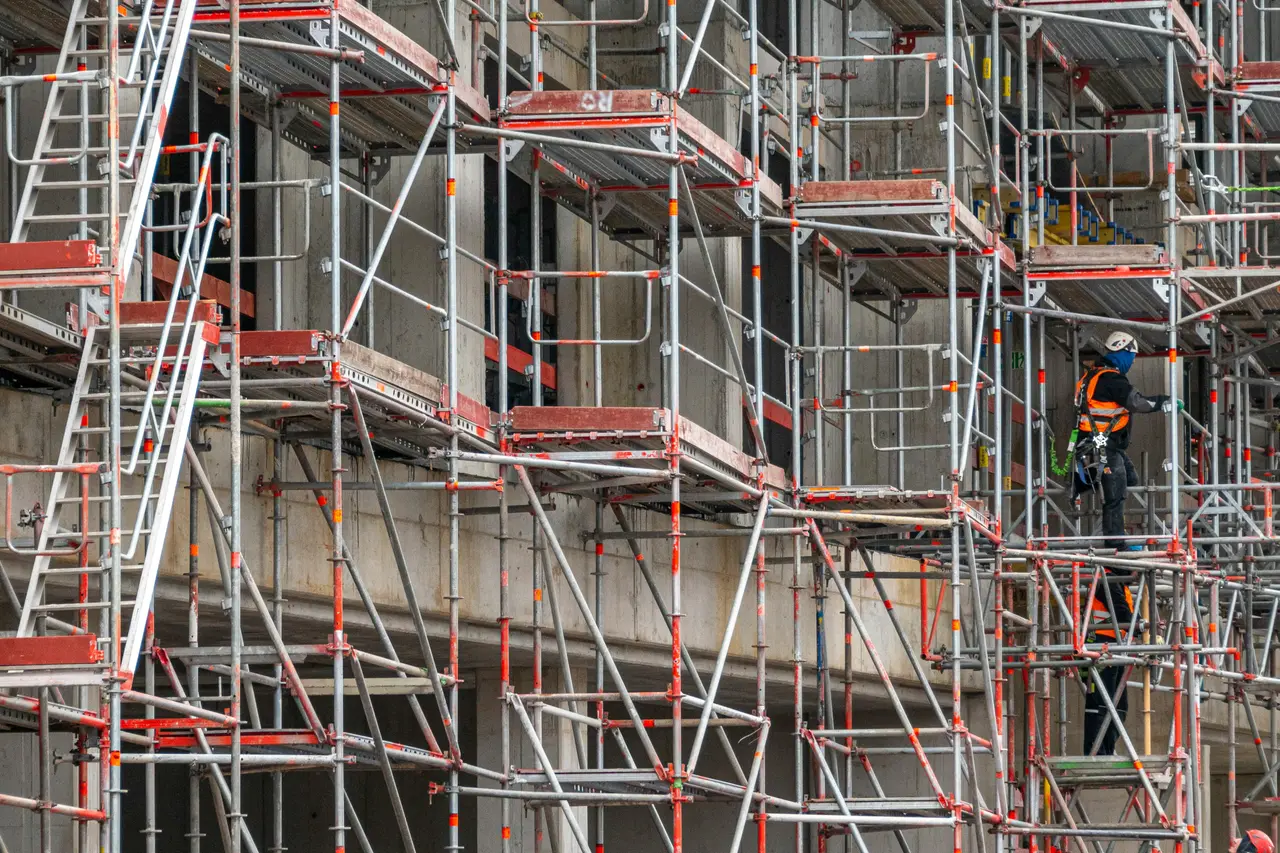
Petrochemical plants are not typical construction sites. Access is tighter, the electrical and mechanical systems are more complex, and any mistake with falling objects or scaffold stability hits both safety and production. Toeboard compliance is non-negotiable, but it is often overlooked in the permit-review phase. Plant owners expect your proposal to show you understand the toeboard regulation, the housekeeping requirements that support it, and how you will keep the boards in place without workarounds.
What 29 CFR 1926.451(h)(4) Requires
29 CFR 1926.451(h)(4) governs toeboards on scaffold platforms elevated more than 10 feet. The standard sets four numeric requirements, all mandatory simultaneously:
| Requirement | Standard |
|---|---|
| Force Rating | At least 50 pounds, downward or horizontal, at any point |
| Minimum Height | At least 3.5 inches from the toeboard top to the walking surface |
| Maximum Clearance | Not more than 1/4 inch above the walking surface |
| Maximum Openings | Solid, or openings no larger than 1 inch in greatest dimension |
The standard also requires toeboards to be “securely fastened in place at the outermost edge of the platform.” Boards tied with loose wire or propped by material do not meet this language even if the dimensions are correct. Many petrochemical owner specifications extend this requirement to platforms below 10 feet and add tighter clearance tolerances.
Plant Expectations: Permits, Walkdowns, and Housekeeping
Petrochemical permits require your proposal to show you understand the toeboard regulation and the site-specific rules. The permit review typically asks: Where are toeboards required? How do you keep them in place for the full duration? What is your fastening method, and what is the maintenance plan if a board shifts?
Site walkdowns happen before erection. The contractor, owner, competent person, and plant HSE team walk the location to identify conflicts: pipe runs, electrical conduit, hot surfaces, and any site-specific rules above the federal standard. A plant might require toeboards on all four sides of a scaffold rather than just the exposed edge.
Housekeeping zones under elevated work are strict in petrochemical settings. A permit might specify: no loose tools stored below the scaffold, access restricted during work, daily cleanup, and no personnel passing underneath. A toeboard fastening method that stays tight over time and allows board repositioning without rebuilding the fastener eliminates the pressure to cut corners.
Why Toeboards Fail on Petrochemical Scaffolds
OSHA enforcement data shows repeated failures on refinery and chemical plant toeboards:
- Gap exceeding 1/4 inch when boards shift and are not corrected during daily inspection.
- Loose or corroded fasteners on tie-wire systems, especially in thermal cycling environments. Boards tight on day one are often slack by week two.
- Missing or deferred board replacement when damaged boards are removed and not quickly replaced because the work requires unbinding wire and nails.
- No screening above stacked materials. Under 1926.451(h)(2)(iii), if tools or materials are stacked higher than the toeboard, paneling or screening must extend from the toeboard up to the guardrail.
Plant HSE teams review the competent person’s daily inspection record: was the toeboard checked, gaps measured, fasteners tightened, and corrective actions documented? A sparse log showing no corrective action despite visible gaps will likely trigger a citation.
Selecting Your Toeboard Method
Before proposing a method, confirm three things: the specific scaffold system (ringlock, Kwikstage, cuplock, frame, or tube and clamp); the owner’s site standard (ask the HSE lead for their toeboard specification); and the work duration (two-week turnaround or six-month standing scaffold).
A toeboard bracket designed to meet 29 CFR 1926.451(h)(4) simplifies the permit conversation. Diamond Deck is a steel bracket designed to the toeboard requirements, with load testing in progress and Professional Engineer review underway. The bracket clamps to the vertical tube without modification, holds two boards in adjustable pockets, and locks them with set screws. No tie-wire, no nails, no wood blocking. If a board must be repositioned, loosen the set screw, adjust, and re-tighten. U.S. patent pending.
Users must confirm fit with their scaffold system under 1926.451(b)(10). A competent person is responsible for final approval and daily inspection.
Documentation for Closeout
Permit closeout requires three items on site: the competent person’s daily inspection log (with corrective actions noted); the toeboard specification sheet (dimensions, materials, fastening method, and compatibility with your scaffold system); and photos of the installed assembly (wide shot and close-up showing tight fastening and clearance). If your method is still working through testing or PE review, document your current status. A plant that sees a documented plan gains confidence.
Get Your Toeboard Plan Right from the Start
Petrochemical plants do not take scaffold shortcuts. Start with the four numeric requirements of 29 CFR 1926.451(h)(4), add the site walkdown and housekeeping rules specific to the plant, and choose a toeboard method that you can maintain and inspect confidently for the full duration of work without cutting corners. For a similar planning walkthrough on a compressed schedule, see scaffolding for power plant outages. Request a quote to discuss your specific scaffold system, site standard, and project timeline, and we will provide current specifications and lead times.
Frequently Asked Questions
What Is a Site Walkdown and Why Do Petrochemical Plants Require Them?
A walkdown is a pre-construction inspection where the contractor, the owner, HSE, and the competent person review the proposed scaffold layout, access points, load paths, and hazards specific to that area. Petrochemical plants use walkdowns to catch conflicts with pipe runs, electrical systems, and hot surfaces before scaffold erection starts, and to establish the site standard for toeboard installation.
Can Toeboards Be Removed During Work or Stored Away?
No. Under 29 CFR 1926.451(h)(2)(ii), toeboards must remain in place and securely fastened for the duration of work on a platform above 10 feet. Removing them for access and reinstalling later is not compliant. Toeboard design that allows quick adjustment without removal (rather than tie-wire-and-nail installation) eliminates that pressure.
What Does 1926.451(b)(10) Mean for Mixed Scaffold Systems?
This regulation prohibits mixing components from different manufacturers unless they fit without force and structural integrity is maintained. Before adding toeboard hardware to an existing ringlock, frame, or Kwikstage system, verify fit on your specific tube size and system with the hardware manufacturer. A competent person must sign off on the compatibility.
Who Inspects Toeboards for Compliance?
The competent person, defined in 29 CFR 1926.450, is responsible for daily scaffold inspection, including toeboards. Many petrochemical plants also require HSE or owner walkdowns during erection and before work begins. Keep documentation of all inspections and any corrective actions on site for audits.
Are Toeboards Different in Petrochemical vs. Other Industrial Settings?
The federal requirement is the same everywhere. Petrochemical plants often add site-specific rules: height clearance tolerances tighter than 1/4 inch, housekeeping-only zones where no loose items are stored nearby, or additional screening where piping runs above the scaffold. Review the permit and speak to the owner's HSE lead before finalizing the plan.